How to Choose Gold Jewelry That Matches Your Skin Tone
You try on a gold necklace. It catches the light beautifully, but something about it feels different from your skin. Then you reach for another piece, this time in a slightly different shade of gold. Suddenly, everything looks more harmonious.
The difference may come down to your skin undertone.
When exploring gold jewelry in the Philippines, consider how different metal colors, designs, and gemstone pairings complement your complexion. The subtle differences between yellow, white, and rose gold can influence how a piece looks against your skin, creating either a soft harmony or a striking contrast.
Yellow gold often complements warm undertones, while white gold tends to flatter cooler complexions. Those with neutral undertones have the flexibility to explore all three shades. Still, these are styling guidelines rather than strict rules. The right gold is the one that feels most natural to you.
How Do You Determine Your Skin Undertone?
Your skin undertone is the subtle underlying hue of your complexion. Unlike skin tone, which describes how light or deep your skin appears, undertone remains consistent even when your skin becomes tanned.
There are three main categories:
- • Warm undertones: Golden, yellow, or peachy hues beneath the skin.
- • Cool undertones: Pink, rosy, or bluish hues beneath the skin.
- • Neutral undertones: A balance of warm and cool characteristics, without noticeably dominating.
If you're wondering how to determine skin undertone, a few simple observations can help.
Look at the Veins on Your Wrist
Examine the veins on the inside of your wrist under natural daylight. Greenish-looking veins may suggest warm undertones, while blue or purple-looking veins may suggest cool undertones.
If you see a mixture, your undertone might be neutral.
This test is not definitive. Vein visibility and color perception vary with skin depth, lighting, and individual anatomy.
Compare White and Cream Clothing
Hold a piece of pure white fabric near your face, followed by something ivory or cream.
If cream makes your complexion appear more balanced, you may lean against warmth. If crisp white feels more harmonious, you may lean cool. Both looking equally flattering can suggest neutral undertones.
Try this without makeup, preferably near a window where daylight is indirect.
Consider How Your Skin Reacts to Sun Exposure
People with warmer undertones sometimes tan more readily, while those with cooler undertones may notice more redness or burning.
However, sun sensitivity depends on several factors, including skin pigmentation. It is not a reliable undertone test on its own, and tanning does not indicate protection from sun damage.
Compare Jewelry You Already Own
Place a yellow gold piece beside a silver-toned or white gold piece near your face.
Notice whether one makes your complexion appear more even or luminous. If both look equally natural, you may have neutral undertones.
Of all these methods, comparing jewelry directly is particularly useful. After all, the goal is not simply to identify your undertones. It is to discover which colors you enjoy wearing.
What Color of Gold Jewelry Looks Best on Your Skin Tone?
Yellow gold flatters warm undertones; white gold often complements cool undertones, and neutral undertones can wear yellow, white, or rose gold beautifully. Rose gold can also suit a wide range of complexions, depending on its shade and the contrast you prefer.
These combinations are traditional styling guidelines rather than fixed rules.
Warm Undertones: The Natural Glow of Yellow Gold

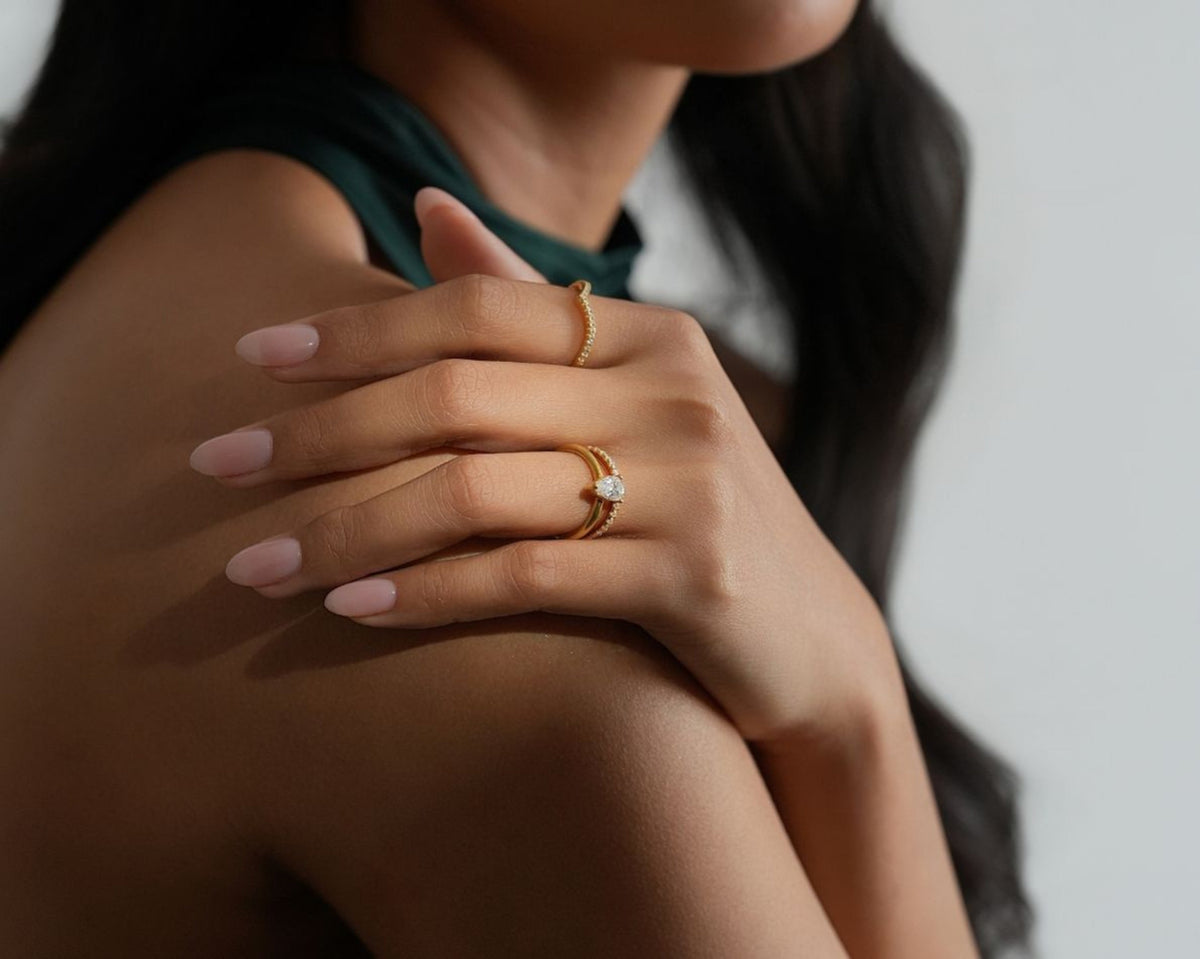
The rich, sunlit appearance of yellow gold jewelry often echoes the golden or peachy warmth already present in the skin.
This can create a seamless look, especially in delicate chains, understated earrings, and classic gold rings.
For Filipino complexions with warm undertones, yellow gold can feel particularly harmonious. Yet it can be equally beautiful on deeper or lighter skin, since undertone and skin depth are separate characteristics.
Cool Undertones: The Quiet Elegance of White Gold

With its silvery appearance, white gold jewelry can complement pink or rosy undertones without introducing additional warmth.
Its restrained color also provides an elegant setting for colorless diamonds and cool-toned gemstones.
For someone drawn to clean lines, minimalist designs, or contemporary jewelry, white gold offers a refined option that feels timeless rather than trend driven.
Neutral Undertones: Freedom to Explore Every Shade
 Neutral undertones offer considerable flexibility.
Yellow gold can introduce warmth; white gold can create a cooler contrast and rose gold jewelry can bring a gentle blush to the complexion.
Rose gold is especially interesting because its pinkish color comes from copper in the alloy. Some versions appear softly champagne-toned, while others lean noticeably pink.
The best choice depends less on finding a perfect match and more on deciding which effect you prefer.
Yellow Gold vs. White Gold vs. Rose Gold: How Do You Choose?
The three gold colors differ in appearance and alloy composition, but their suitability extends beyond skin undertone.
Pure gold is naturally yellow. To create different colors and improve durability, jewelers combine gold with other metals. The resulting shade depends on the alloy, while the karat indicates the proportion of pure gold.
|
Gold color |
Appearance |
Traditional undertone pairing |
Style impression |
|
Yellow gold |
Rich, golden warmth |
Warm, neutral |
Classic, radiant, timeless |
|
White gold |
Cool, silvery finish |
Cool, neutral |
Modern, understated, elegant |
|
Rose gold |
Soft pink or coppery warmth |
Neutral, warm; also cool with contrast |
Romantic, delicate, distinctive |
White gold is often rhodium-plated to achieve its bright finish, which may require replating over time. Rose gold typically contains copper, giving it its characteristic blush. Its exact color varies by alloy.
Consider Your Personal Style
A yellow gold necklace can feel beautifully traditional, while white gold lends itself to sleek, architectural designs. Rose gold often softens contemporary silhouettes.
Think about the jewelry you naturally reach for. Do you prefer pieces that blend effortlessly into an outfit, or those that introduce a little contrast?
Your wardrobe may offer more useful clues than any undertone test.
Look at Your Existing Jewelry
If most of your everyday pieces are yellow gold, choosing another yellow gold design can make layering effortless.
But matching everything is not necessary. A white gold ring beside a yellow gold bracelet can look intentional, particularly when the designs share similar proportions or finishes.
Think About Gemstones and Diamonds
Metal color influences how gemstones appear.
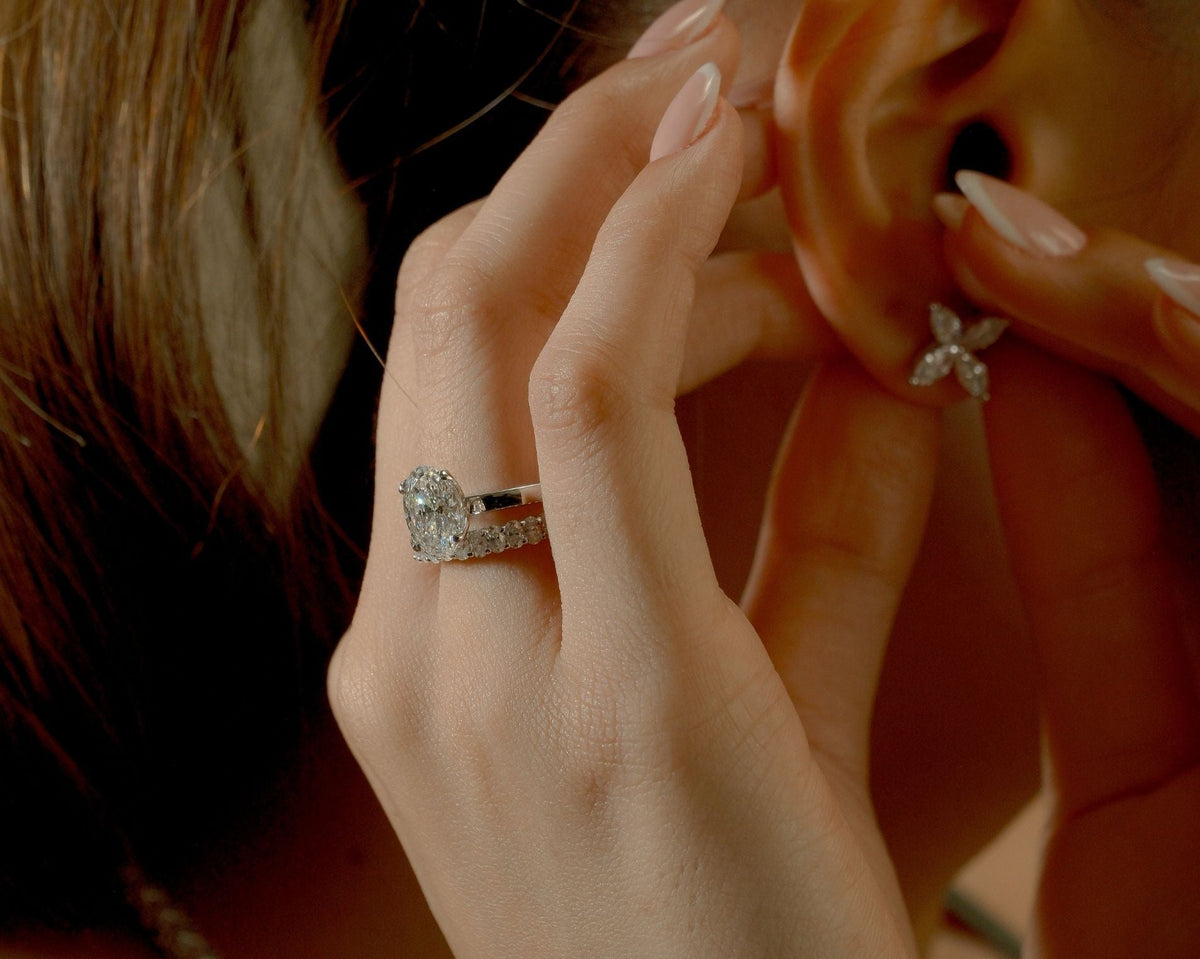
White gold can emphasize the icy brilliance of colorless diamonds, while yellow gold creates a warmer setting.
Rose gold can complement pink gemstones and offer a romantic contrast to clear stones.
For lab-grown diamonds and gemstones, the same visual principles apply. Consider viewing the complete piece rather than judging the metal and stone separately.
Choose for Everyday Wear
If you're selecting jewelry to wear frequently, comfort and maintenance deserve attention alongside color.
Consider the karat, construction, setting security, and any metal sensitivities. White gold alloys containing nickel may be unsuitable for some wearers, while certain rose gold alloys can be problematic for people sensitive to copper.
A beautiful piece should feel as comfortable as it looks.
Does Skin Undertone Really Matter When Choosing Gold Jewelry?
Yes, skin undertones can help you identify flattering gold colors, but it should never limit what you wear.
Understanding the relationship between undertones of jewelry choices and metal color gives you a useful starting point. It helps explain why one necklace might appear harmonious while another creates a more noticeable contrast.
Neither effect is inherently better.
Someone with cool undertones may love the richness of yellow gold. Someone with warm undertones may prefer the crisp appearance of white gold. Both choices can be equally elegant.
You can also mix gold colors. Combining warm and cool metals introduces dimensions, particularly when layering fine necklaces, stacking rings, or pairing bracelets.
Rather than asking which gold color you are supposed to wear, consider which one makes you want to wear the piece again.
That is often the most meaningful answer.
Find Gold Jewelry in the Philippines You Can Choose with Confidence
Choosing fine jewelry should be considered, never complicated.
At Pristine Paradigm, thoughtful design meets an appreciation for ethical sourcing, lab-grown gemstones, and transparent craftsmanship. These details matter because finding the right piece involves understanding both how it looks and how it was made.
When exploring gold jewelry in the Philippines, take time to compare unique designs, metal colors, and gemstone pairings. Notice how each piece complements your complexion, wardrobe, and the way you naturally express yourself.
You can explore designs online or visit Pristine Paradigm's Makati showroom to appreciate the details in person, including how different gold tones appear against your skin.
The most flattering gold is not necessarily the one a color chart recommends. It is the one that feels entirely your own.
Explore Pristine Paradigm's gold jewelry collection and discover pieces that reflect your personal style, with beauty and craftsmanship worth choosing thoughtfully.